The journey
A journey through experience in Japan
Not a simple itinerary to follow step by step, but a journey inhabited with slowness, in which places become experience. Based in Kyoto, the travel unfolds among temples, historic districts, mountains, and landscapes that allow an approach to Reiki within its cultural, historical, and experiential context.
Request informationHow the journey is lived
A journey based in Kyoto, designed to be lived with attention
The journey is based in Kyoto, the city from which we will move to reach places central to the history of Reiki and, more broadly, to Japanese spiritual culture. The days alternate between visits, walks, moments of practice, shared pauses, and time to be touched by the landscapes. The rhythm is not that of a rush between attractions, but of an experience that calls for presence, listening, and a willingness to be shaped even by the smallest details.
Throughout the journey, we will move through historic districts, temples, green paths, sacred mountains, and places where the relationship between body, landscape, and practice becomes particularly intense. Kyoto will be our center—the place we return to each day, where we gather, stay together, and integrate what the days have opened.
Places visited
The stages of the journey
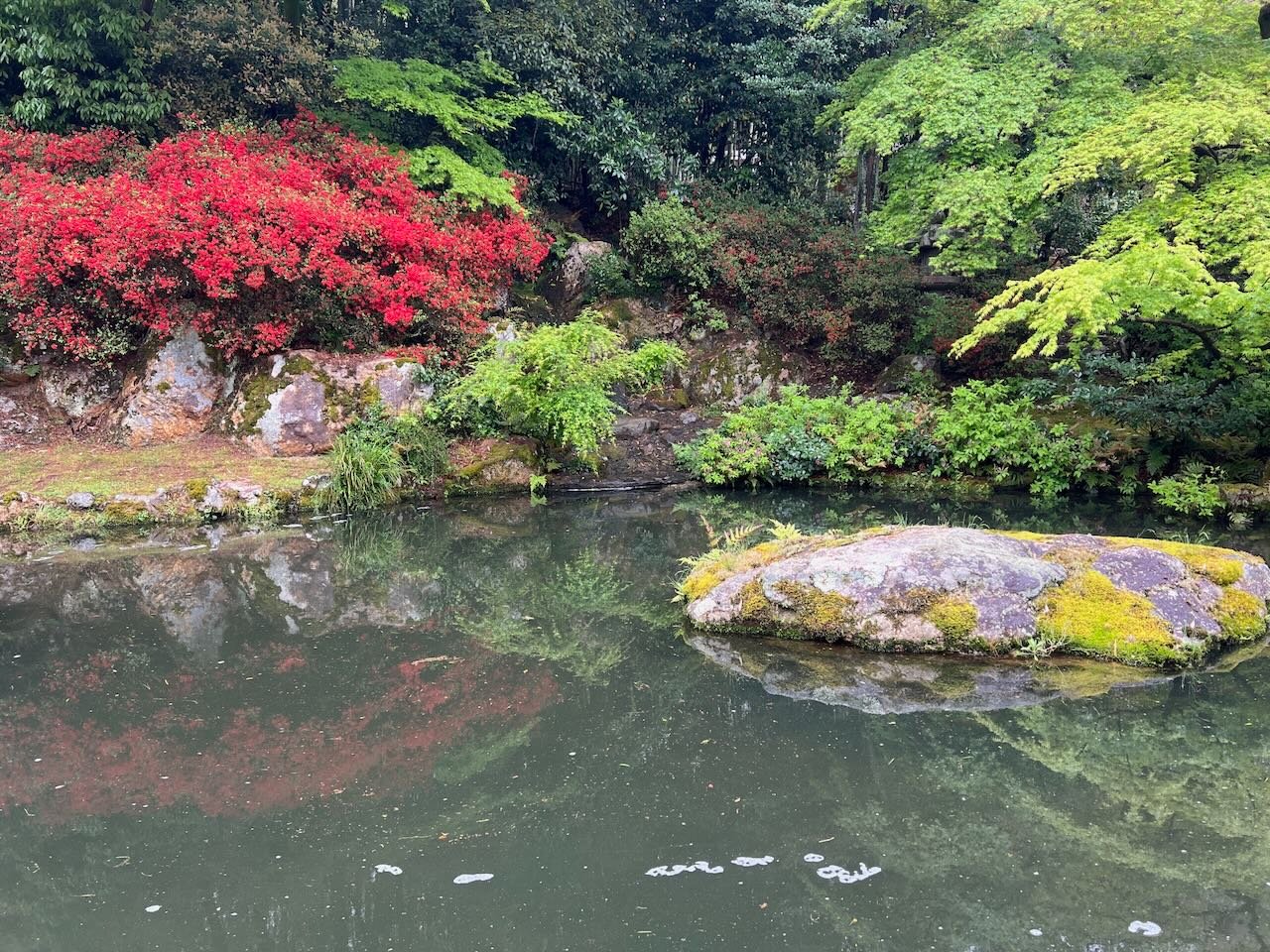
From the heart of Kyoto to the mountains that hold some of the symbolic roots of Reiki, the journey unfolds through different places, each with its own atmosphere.
Kyoto: temples, historic districts, and the first thresholds of the journey
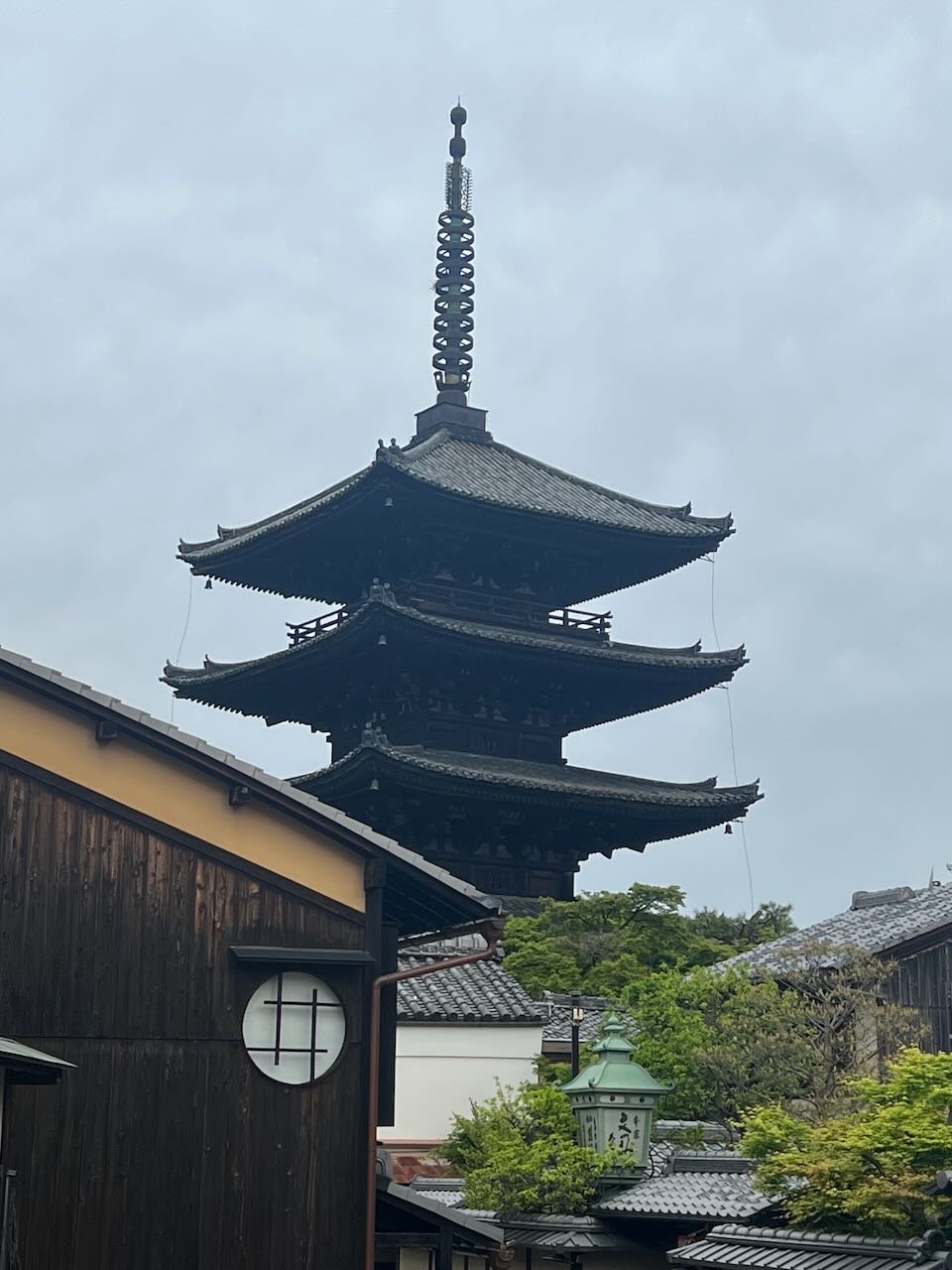
In Kyoto, we will visit temples connected to the history of Reiki and move through districts where the past continues to breathe in the architecture, in the silences, and in the details. Gion, Yasaka Shrine, Chion-in, Shōren-in, Kiyomizu-dera, and the streets of Ninenzaka and Sannenzaka form a first immersion into a city that holds memory, elegance, and cultural depth.
Mount Kurama: the ascent, the path, the place of practice
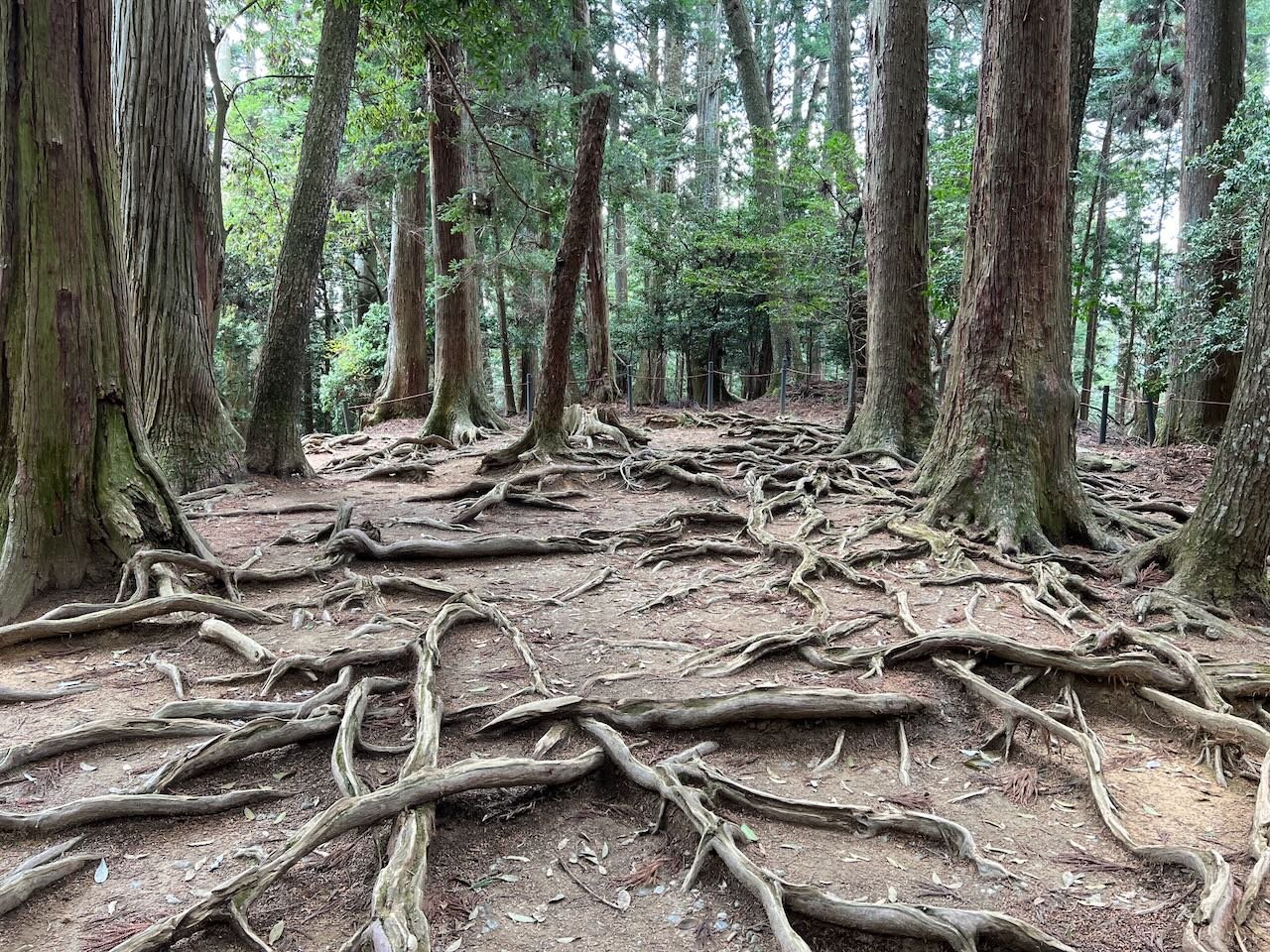
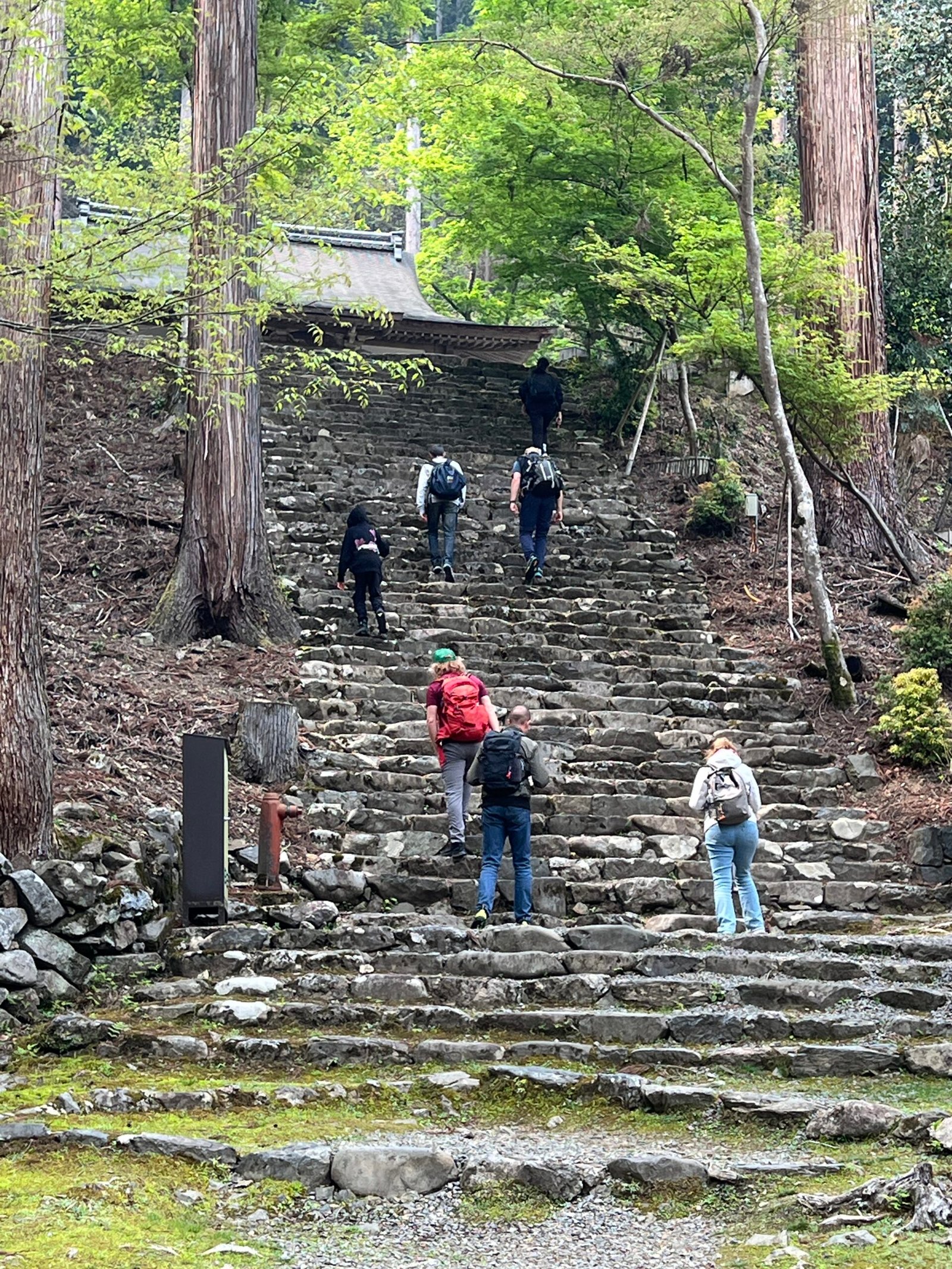
Mount Kurama is the symbolic heart of the journey. The ascent moves through lanterns, roots, ancient trees, and spaces of quiet gathering up to Kurama-dera. From there, the path continues through the forest toward the place associated with Usui’s experience, where practice enters the landscape as a gesture of listening and presence. The descent toward Kibune accompanies the return through small bridges, streams, and a more intimate, inward atmosphere.
Takao: three temples in the greenery
Takao opens into a different quality of experience. The path follows the river and leads to Jingo-ji, Saimyō-ji, and Kōsan-ji, in a mountain valley that allows for a particularly intense perception of the relationship between forest, practice, and Japanese religious history. It is a day that speaks of silence, depth, and cultural continuity.
Nara: quietness, space, and solemnity
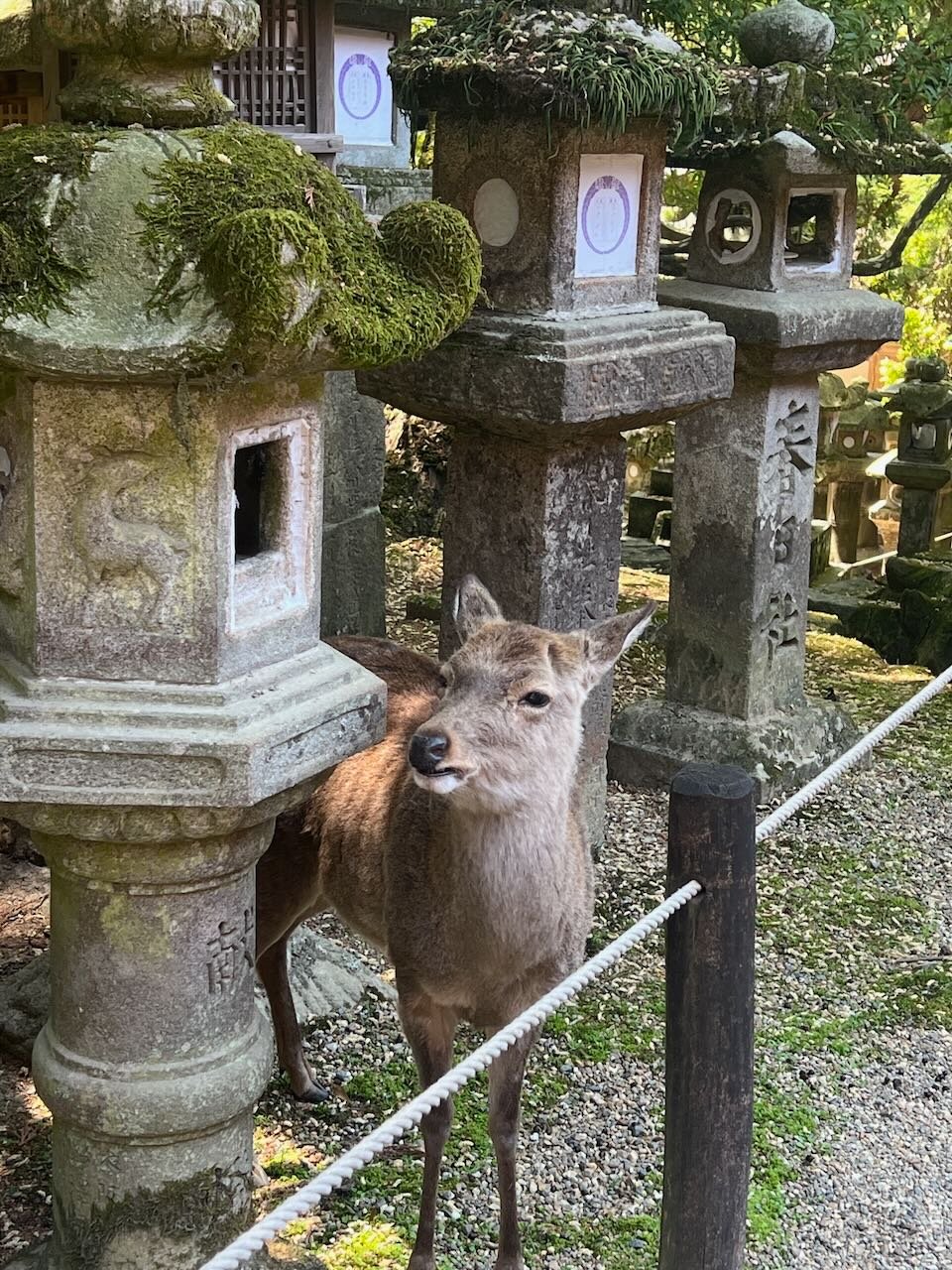
In Nara, the journey meets a broader and more contemplative dimension. The deer moving through the park, the shaded avenues, and Tōdai-ji with the Great Buddha introduce a landscape where monumentality and calm coexist. Here, time seems to slow down in a different way, allowing space for a more spacious perception.
Mount Hiei: transmission, mountain, and vision
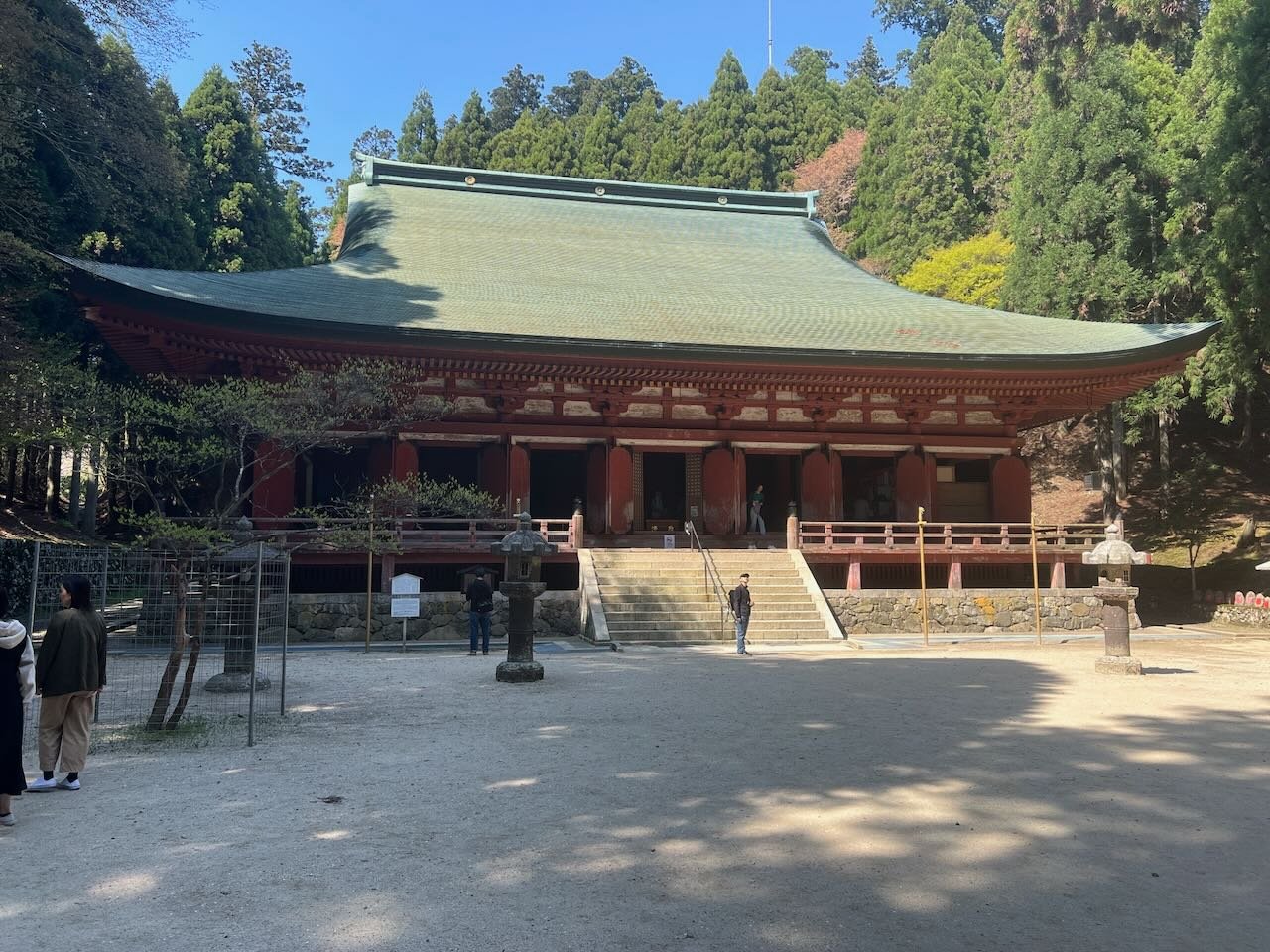
Mount Hiei, with Enryaku-ji and its forest paths, brings the journey toward another threshold. It is a place where the history of Japanese Buddhism, the discipline of transmission, and the openness of the landscape are interwoven. The views over Lake Biwa and the surrounding mountains broaden the gaze and transform the very quality of walking.
A day to follow your own rhythm
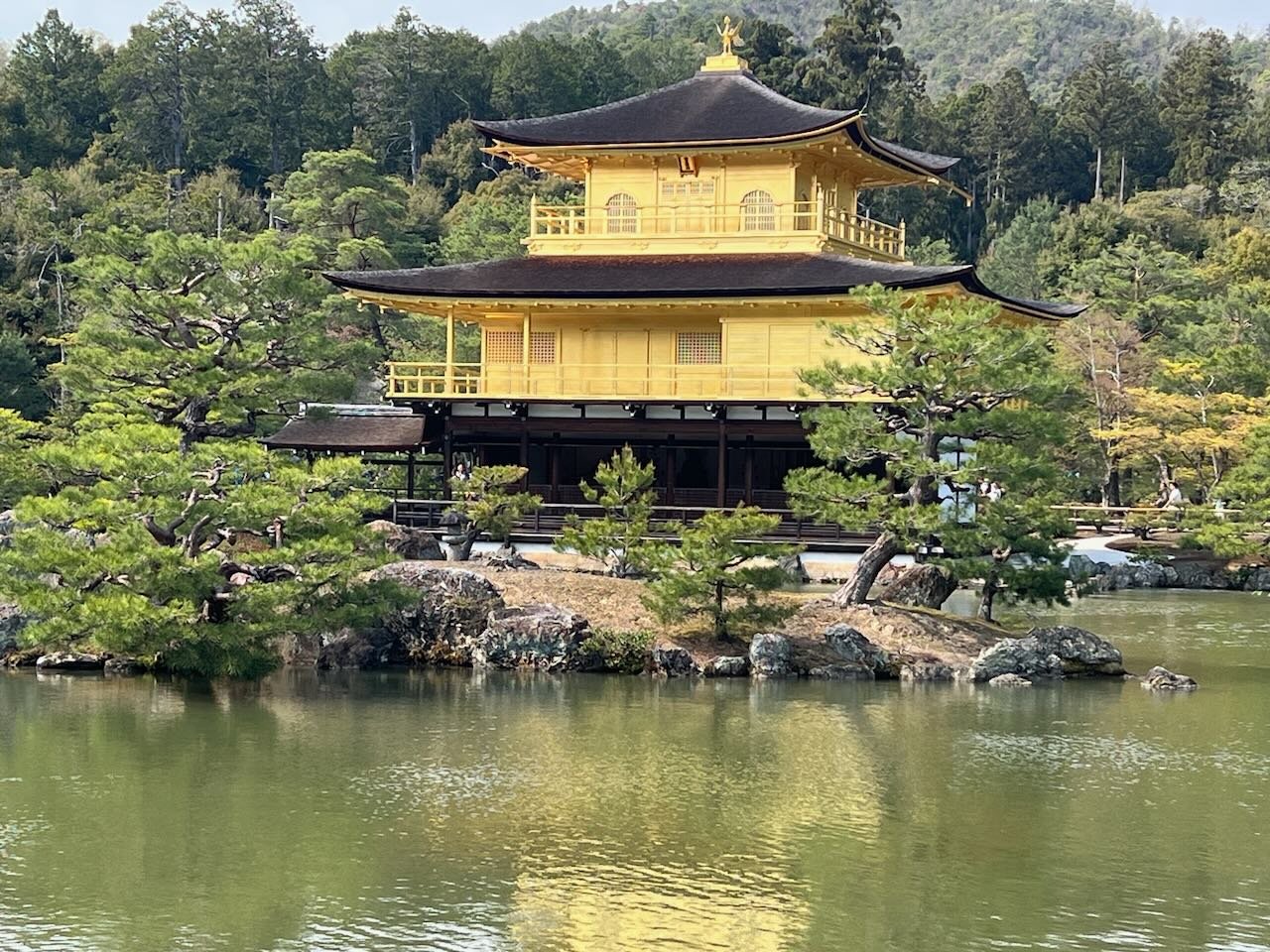
During the journey, a more open day is also included, to be spent in Kyoto or, for those who wish, in nearby Osaka. A valuable time to return to a place you have connected with, explore the city independently, slow down, write, rest, or simply allow what has been lived to settle.
The travel days
The rhythm of the journey
The days are shaped around a balance between movement and pause. There will be morning departures, walks, visits to meaningful places, meals along the way, moments of shared practice, and evening returns to Kyoto. Some days will follow a more immersive and natural pace, such as those dedicated to Mount Kurama or Takao; others will be more marked by historical and cultural dimensions, such as Kyoto, Nara, or Mount Hiei. In all cases, the journey is designed to allow places to speak, without overloading the experience.
Where we will stay
Our ryokan in Kyoto
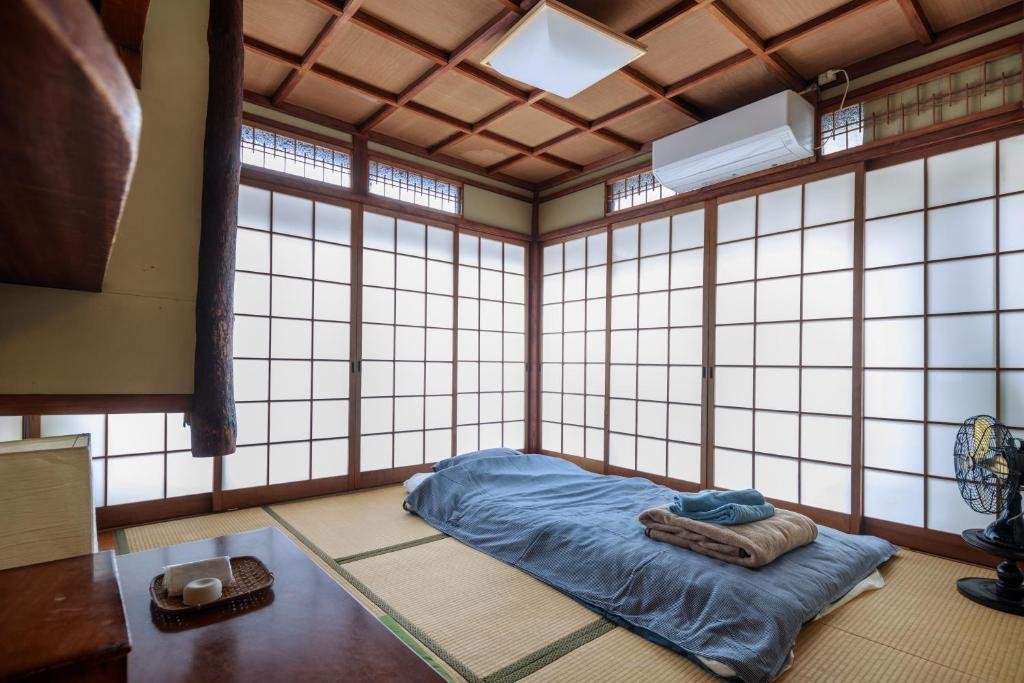
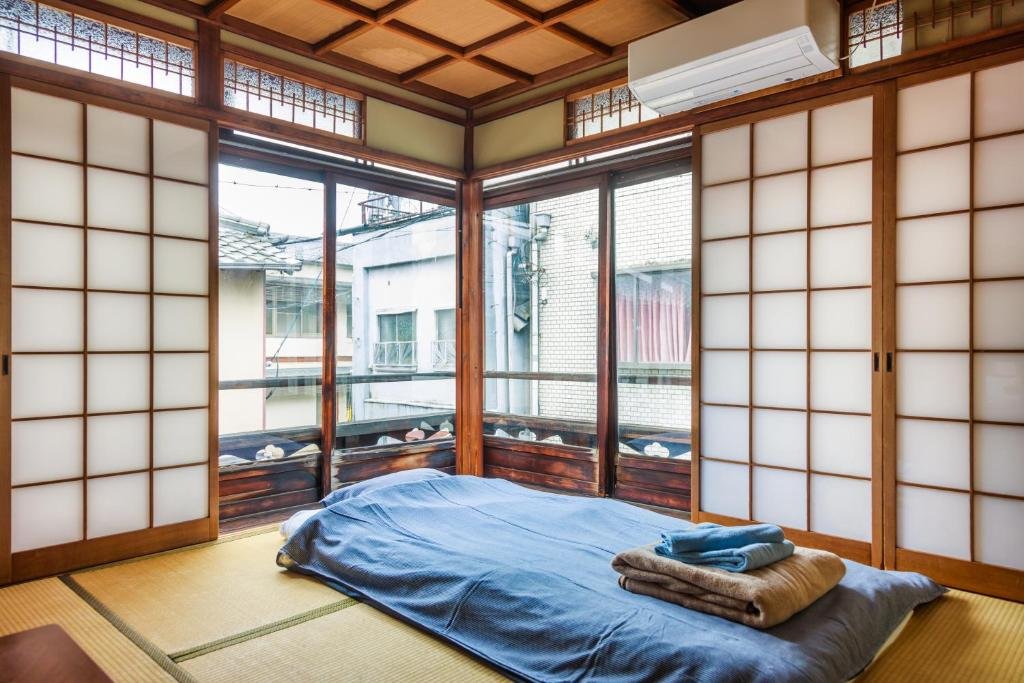
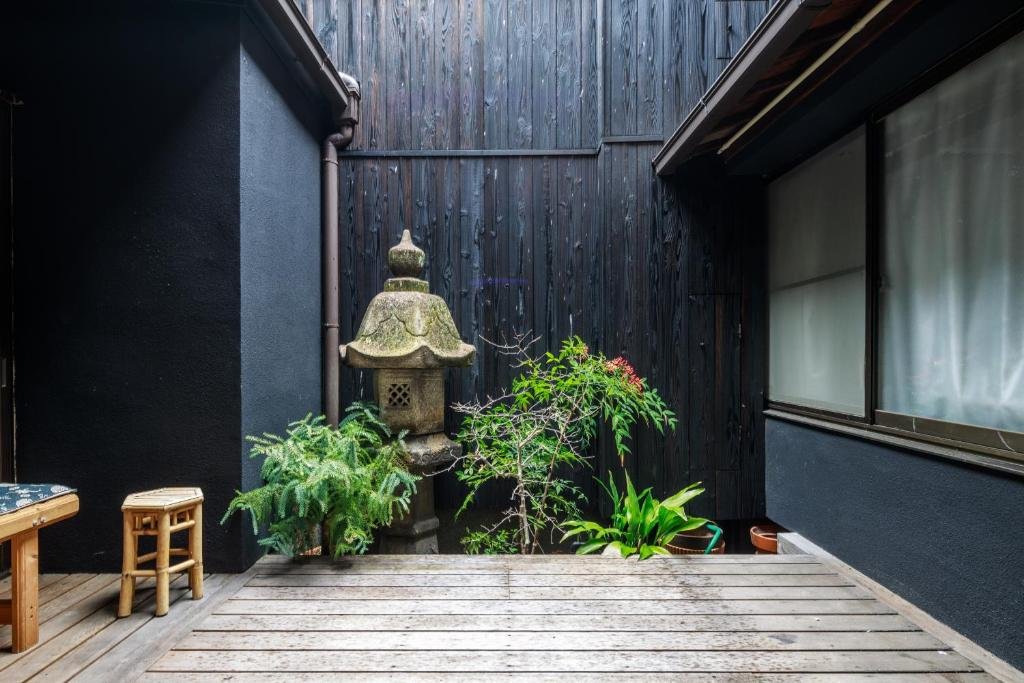
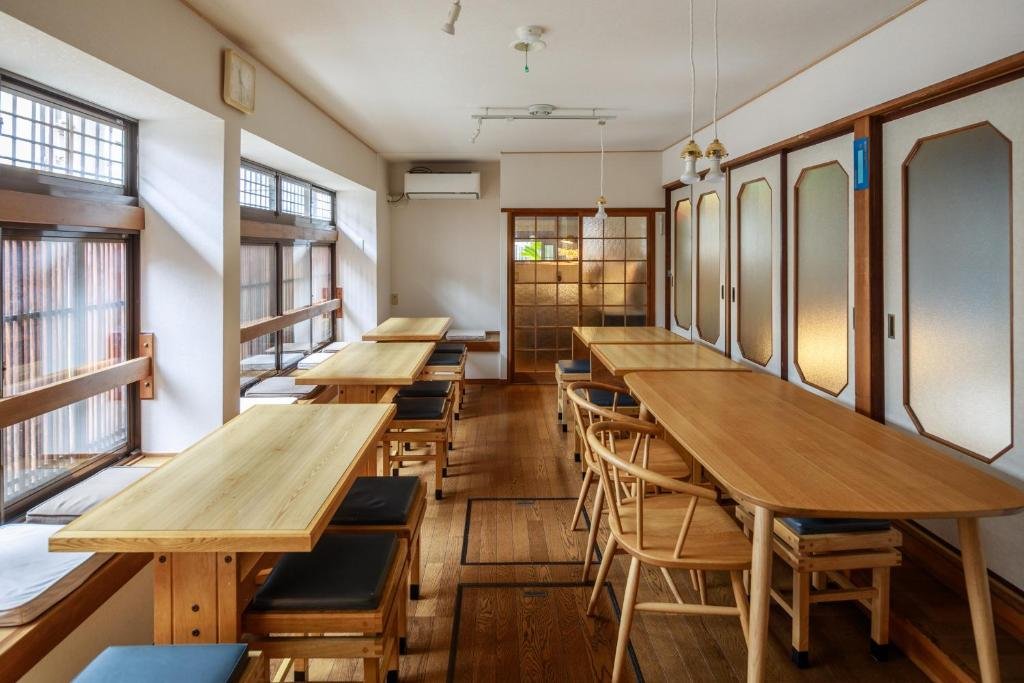
During the journey, we will stay in a spacious ryokan reserved for the group, located in a quiet residential area of Kyoto. It will be much more than a logistical base: a shared home, with Japanese-style rooms, tatami floors, sliding doors, common spaces, a kitchen, an inner garden, and a large room also suitable for practice.
Living together in this place will shape an essential part of the experience. Returning in the evening, breakfast in the morning, conversations after the visits, moments of quiet between one day and the next: all of this will contribute to creating a shared time, grounded and intimate.
How we will move around
Travel and style of the journey
Travel during the organized days of the tour is included and forms part of the experience itself. The journey takes shape through movement: trains, walks, paths, urban crossings, and pauses along the way. It is not an experience separated from places, but a way of entering them progressively.
An itinerary to move through, not simply to follow
The journey takes shape day by day, between well-known places and more intimate spaces, between the history of Reiki, Japanese culture, walking, and shared experience. Kyoto becomes the point of return, the mountains open the path, and the temples hold traces and questions.
What remains is not only what has been seen, but the way those places have been moved through, together. An experience that continues to settle even after returning, in the body, in the gaze, and in the way what has been lived is narrated.
 Italian
 English