The Reiki Tour
Kyoto, sacred mountains, temples, paths, and shared days in places that carry the history of Reiki
Not a journey to observe. A path to move through.
Discover how it unfoldsA journey that becomes a process
It is not a trip, it is a process
The Reiki Tour begins with a simple question, one that is rarely followed through to its full depth: what happens when a practice is brought back to the places where it first emerged?
Over time, Reiki has been transmitted, reinterpreted, and adapted. It has moved across continents, languages, and worldviews. This trajectory is not dismissed. It is taken seriously.
The Reiki Tour takes shape as an experience that holds these layers together, bringing into relation the practicing body, the places that are moved through, and the narratives that make them meaningful.
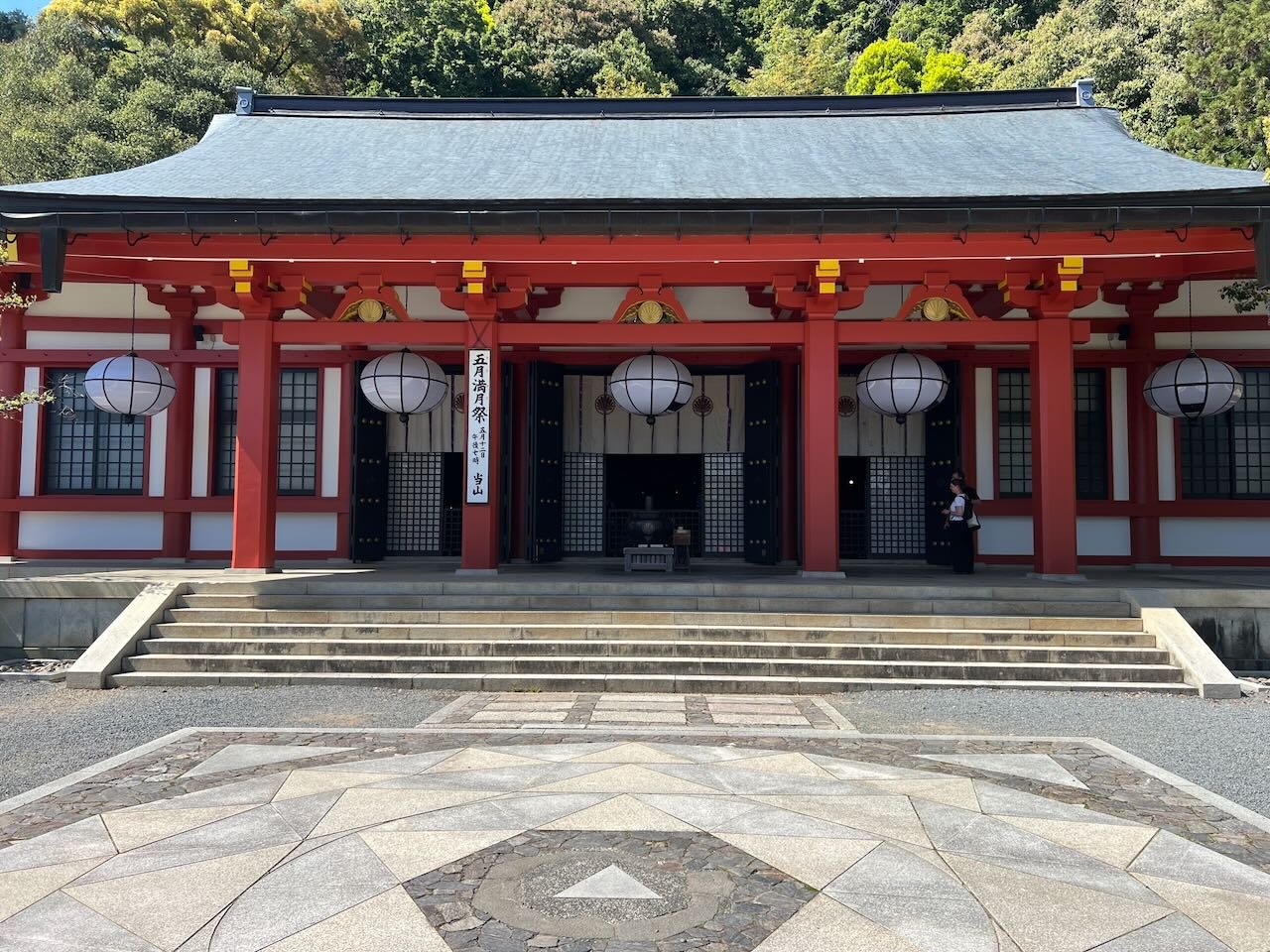
Walking on Mount Kurama, pausing at temples, moving through Kyoto: these are not simple stops. They are conditions through which the experience takes shape.
From another perspective, the tour does not propose a return to a pure origin. Rather, it creates a space in which to question what we do when we practice Reiki, and how this practice takes root—or transforms—within the contexts we move through.
The tour experience
Three dimensions of the experience
The Reiki Tour takes shape through a weave of elements that continuously intertwine. The body that walks and practices, the places that orient perception, the group that makes what unfolds shareable: it is within this relationship that the experience gains depth and meaning.
Body
A practice that unfolds through the lived body
During the tour, Reiki is not presented as an abstract idea to be understood solely on a theoretical level. It takes form in walking, in pausing, in breathing, in the attention brought to the hands, to rhythm, to fatigue, and to presence. In this sense, the body is not merely a support for the experience: it is the place where the practice takes shape and becomes perceptible.
Landscape
Places that do not serve as a backdrop
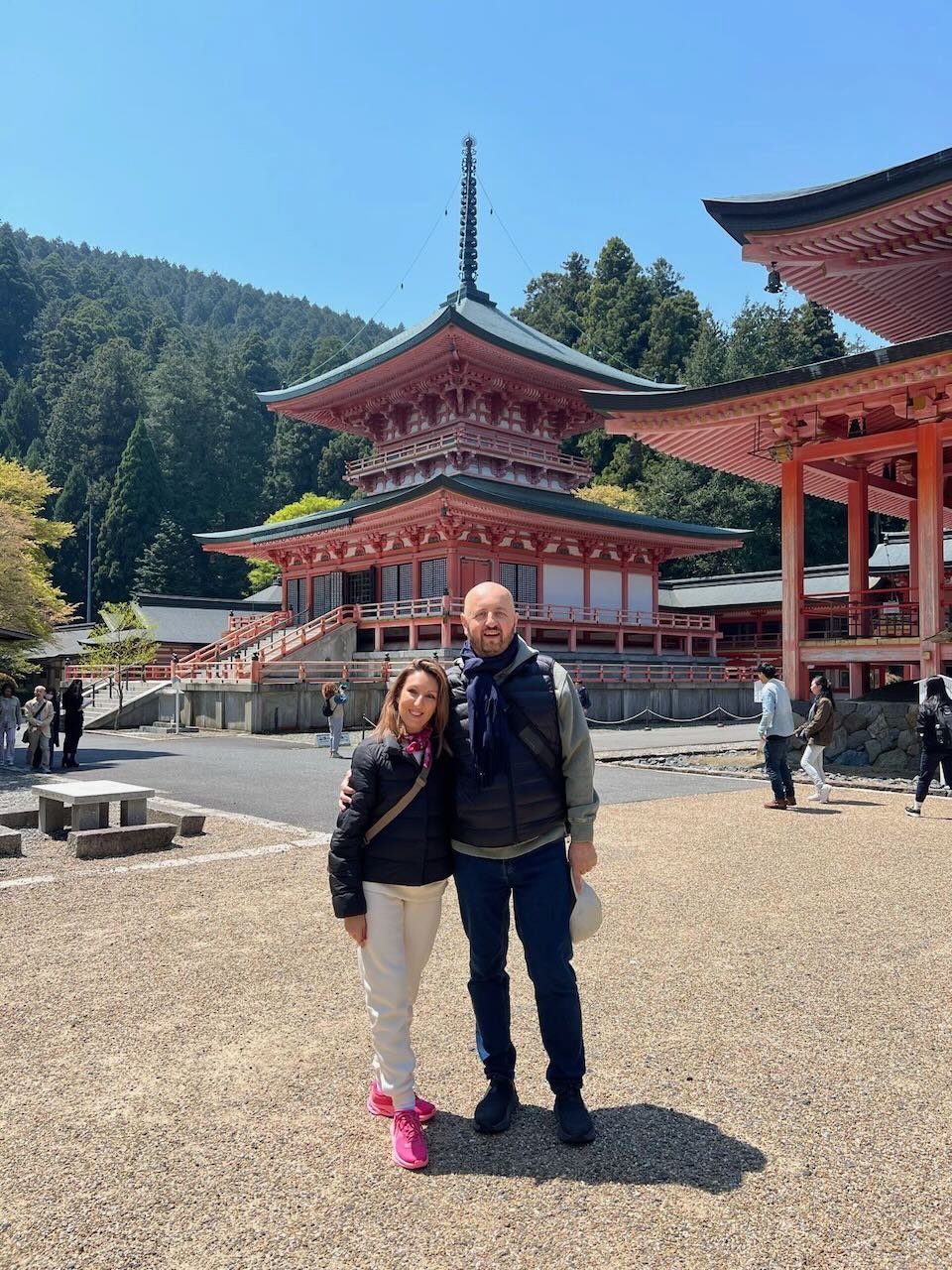
Kyoto, Mount Kurama, Takao, Mount Hiei, Nara, the paths, the temples, the passages between city and mountain: all of this does not merely accompany the tour, but deeply shapes its tone. The landscape intervenes in the experience, modulates it, intensifies it, and makes it different. The Reiki Tour also emerges from here: from the living relationship between practice and place.
Relationship
The group as a space of resonance
The experience never unfolds solely on an individual level. The group—with its rhythms, its silences, the exchanges and resonances that emerge along the way—contributes to shaping the meaning of what is lived. For this reason, the Reiki Tour is designed for small groups: because mutual attention and the quality of presence are part of the experience itself.
A typical day
No two days are the same, yet certain trajectories recur.
The day begins in Kyoto, travelling by public transport across the city toward the foothills of Mount Kurama.
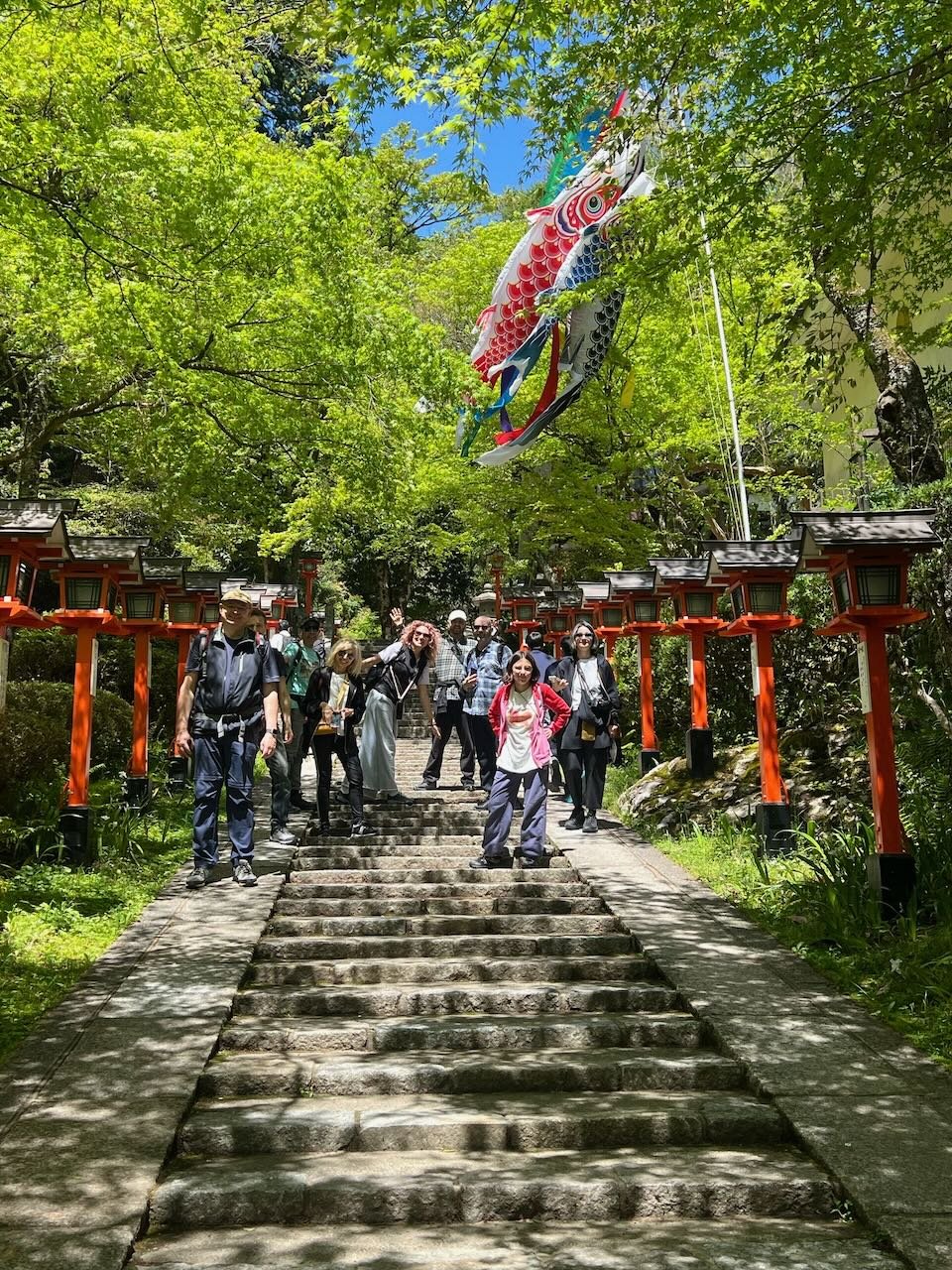
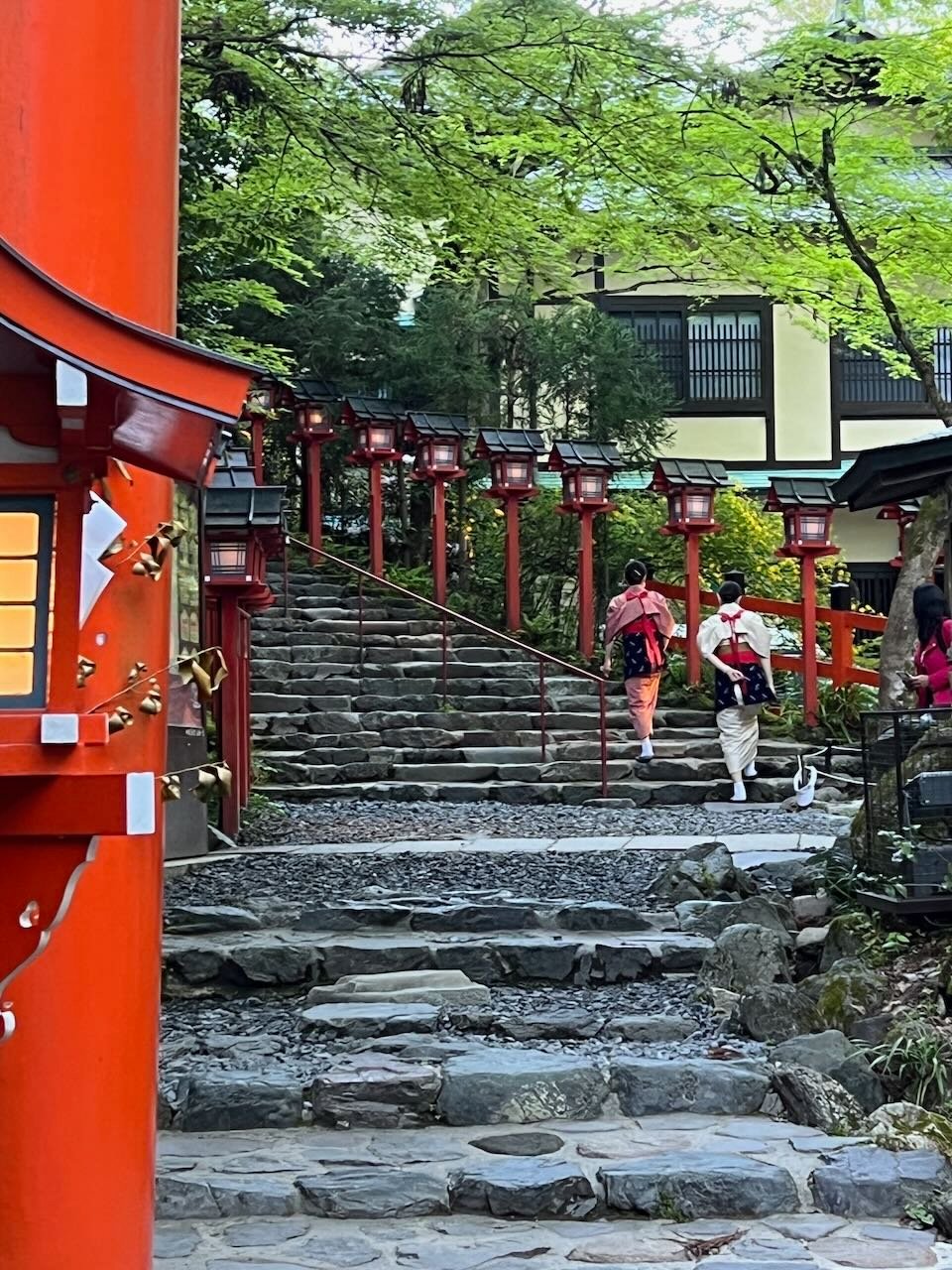
Before passing through the torii, the group gathers in a moment of attention and preparation.
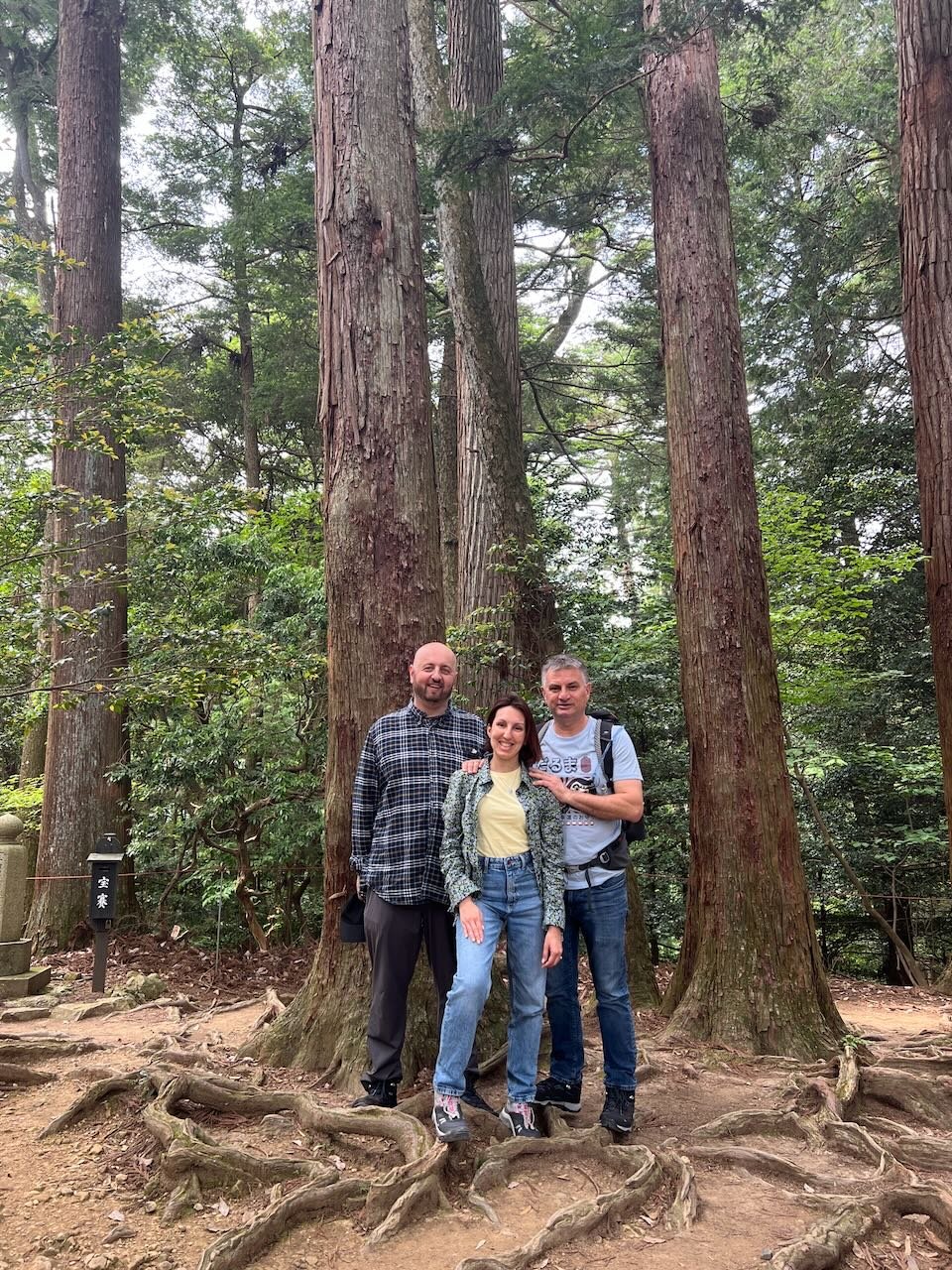
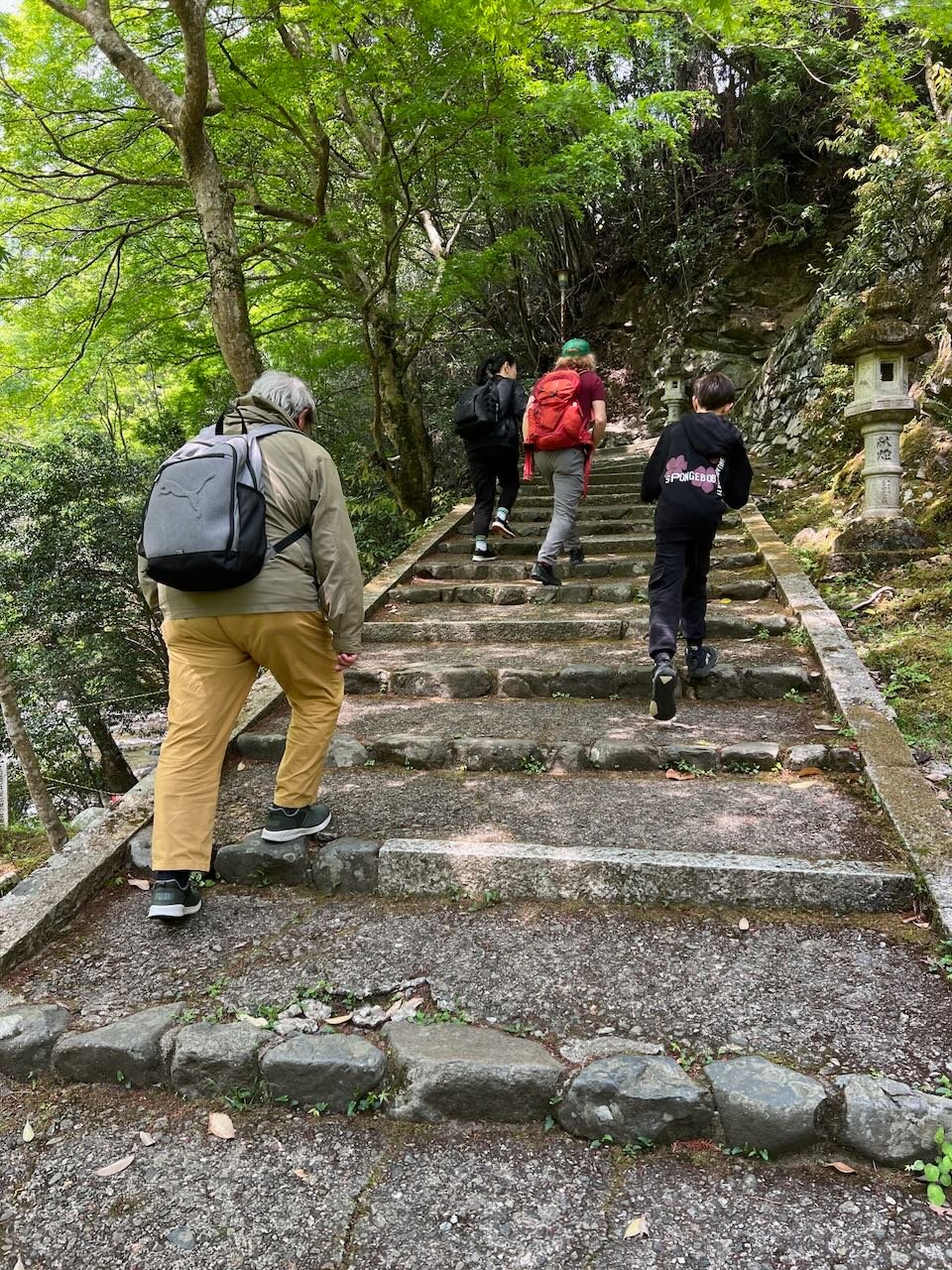
The ascent unfolds along the path leading to Kurama-dera. The pace is not imposed; it takes shape along the way, through pauses, exchanges, and moments of silence.
Near the energetic spot in front of the temple, the group pauses. Some practice, others observe, while others simply remain there.
The ascent continues toward the area associated with Usui’s experience.
Here, a shared practice takes place: meditation, self-treatment, and a circle of light.
The descent unfolds differently for each person.
The experience begins to settle already on the return.

(Field notes, Kyoto, April 27, 2025)
A different approach
An experience that takes history, practice, and context seriously
The Reiki Tour is grounded in a clear vision. It does not present Japan as an exotic setting to be consumed, nor Reiki as an abstract formula detached from the places, histories, and transformations it has undergone over time. Instead, it places at its core the relationship between practice, landscape, and historical awareness.
Moving through Kyoto, ascending Mount Kurama, pausing in places associated with Usui’s story means coming into contact with a wider fabric—woven from cultural memory, narratives, interpretations, and lived practices. It is here that the experience deepens: when what is lived is not isolated from its context, but gains depth within it.
For this reason, the Reiki Tour takes a different path. It does not offer a packaged promise of authenticity. It offers the possibility of a more layered, more aware experience—one that has the capacity to leave a lasting trace.
Who it is for
The Reiki Tour is intended for those who practice Reiki and wish to deepen their experience.
It is also suited to those who feel the need to question certain taken-for-granted ideas, opening up a broader space for reflection.
No performance is required. There is no expectation to “feel something.”
What is required is a willingness: to walk, to engage, and to listen.
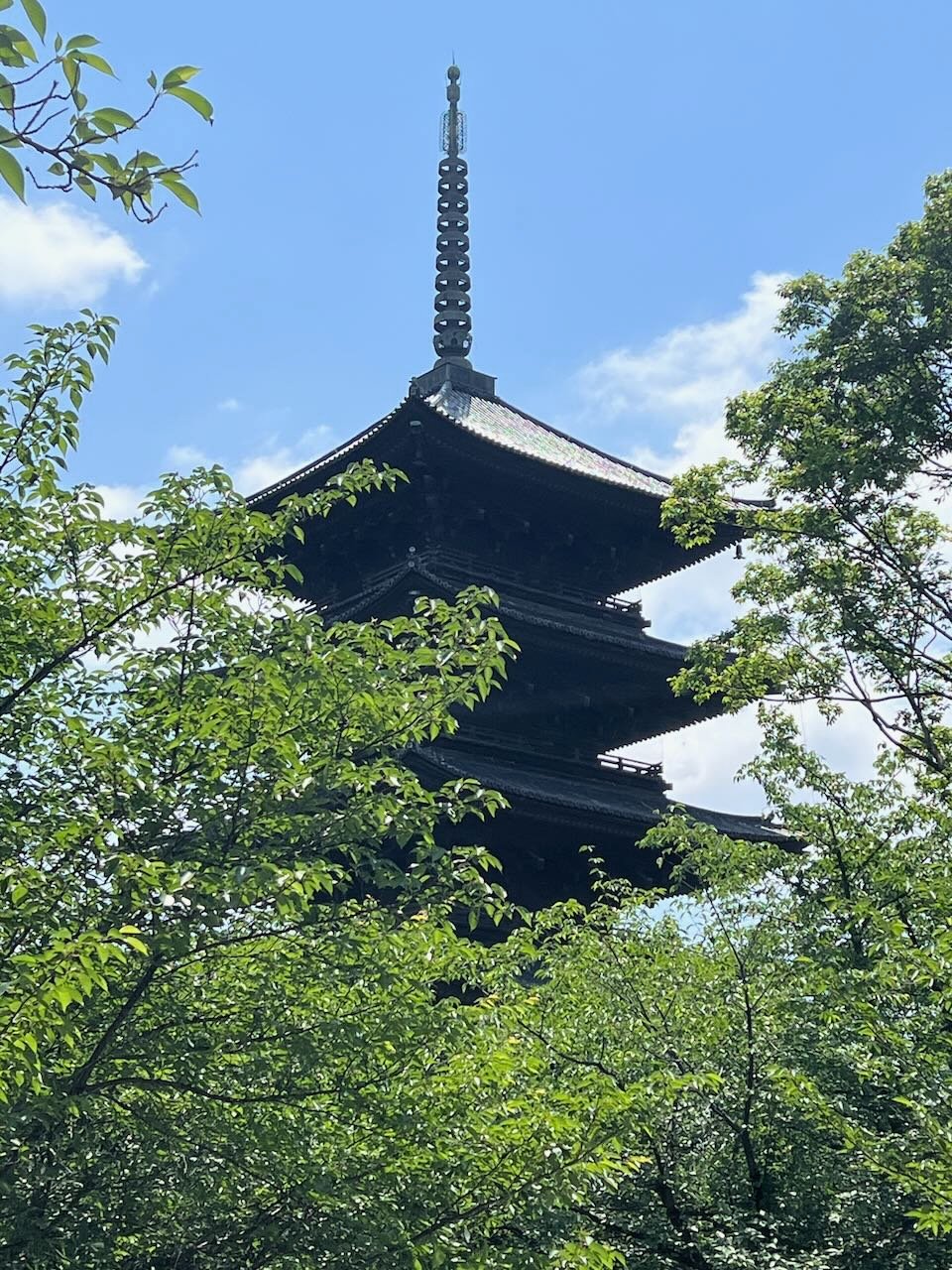
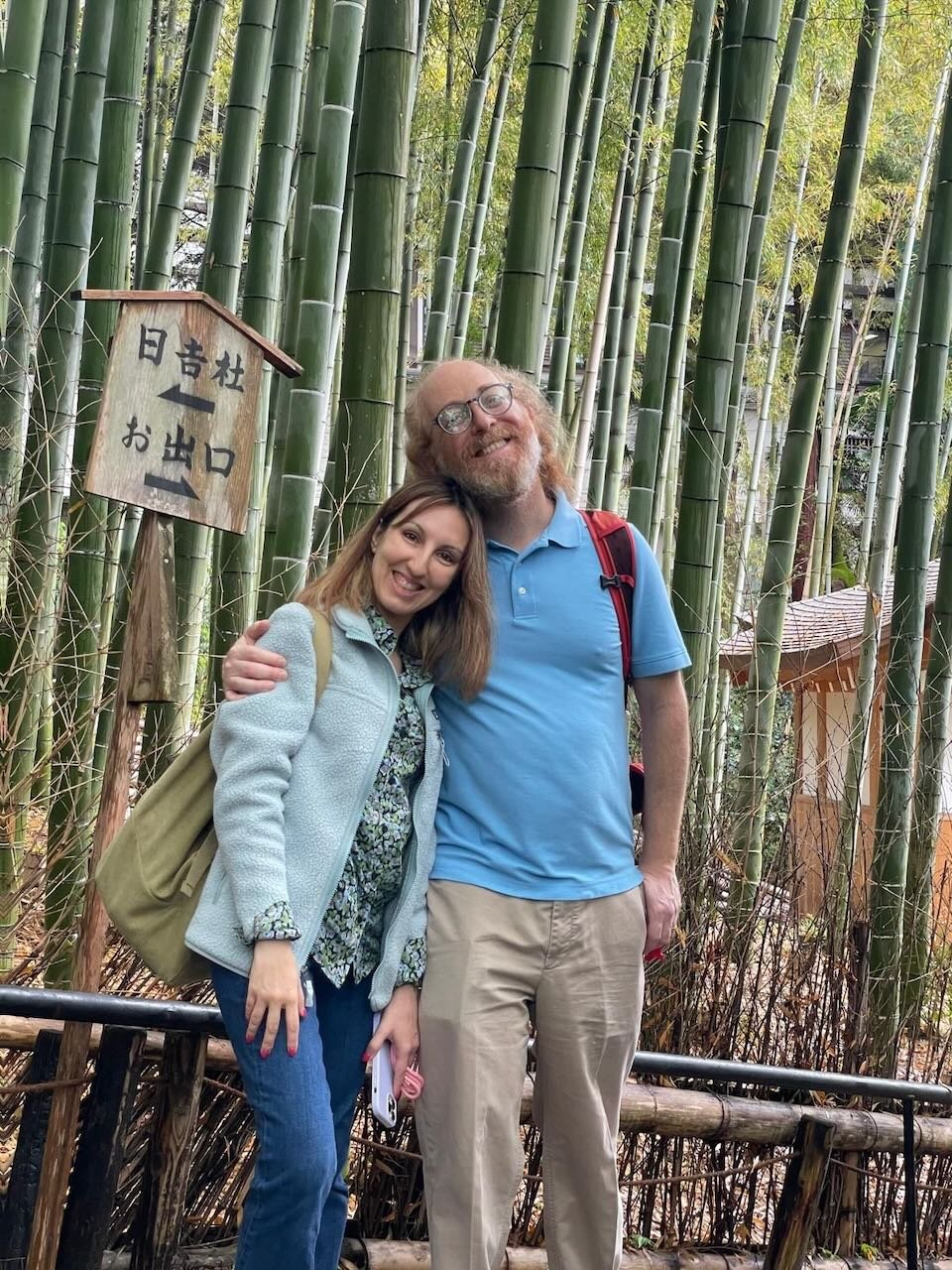
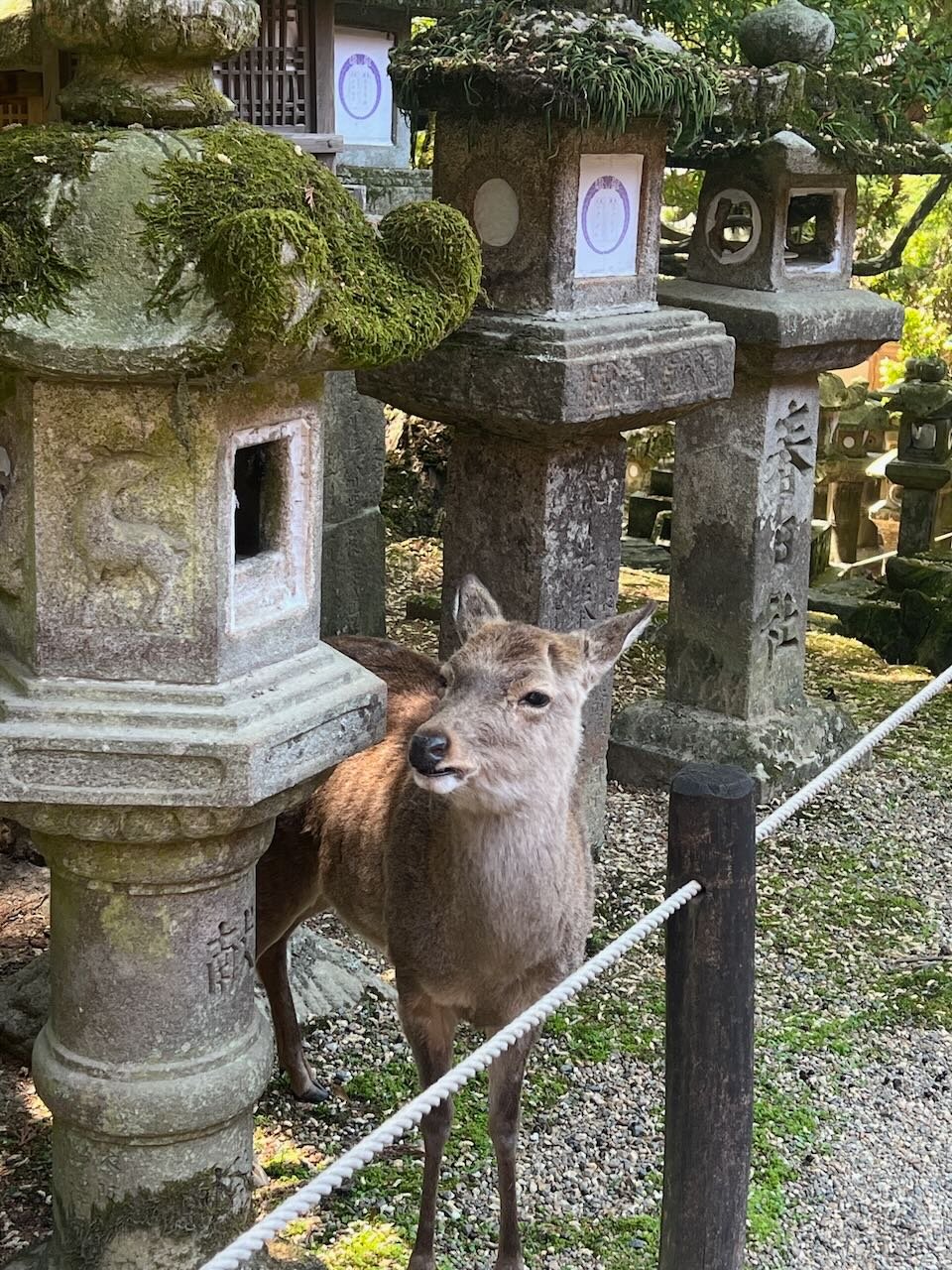
Images from the Reiki Tour
Fragments of experience
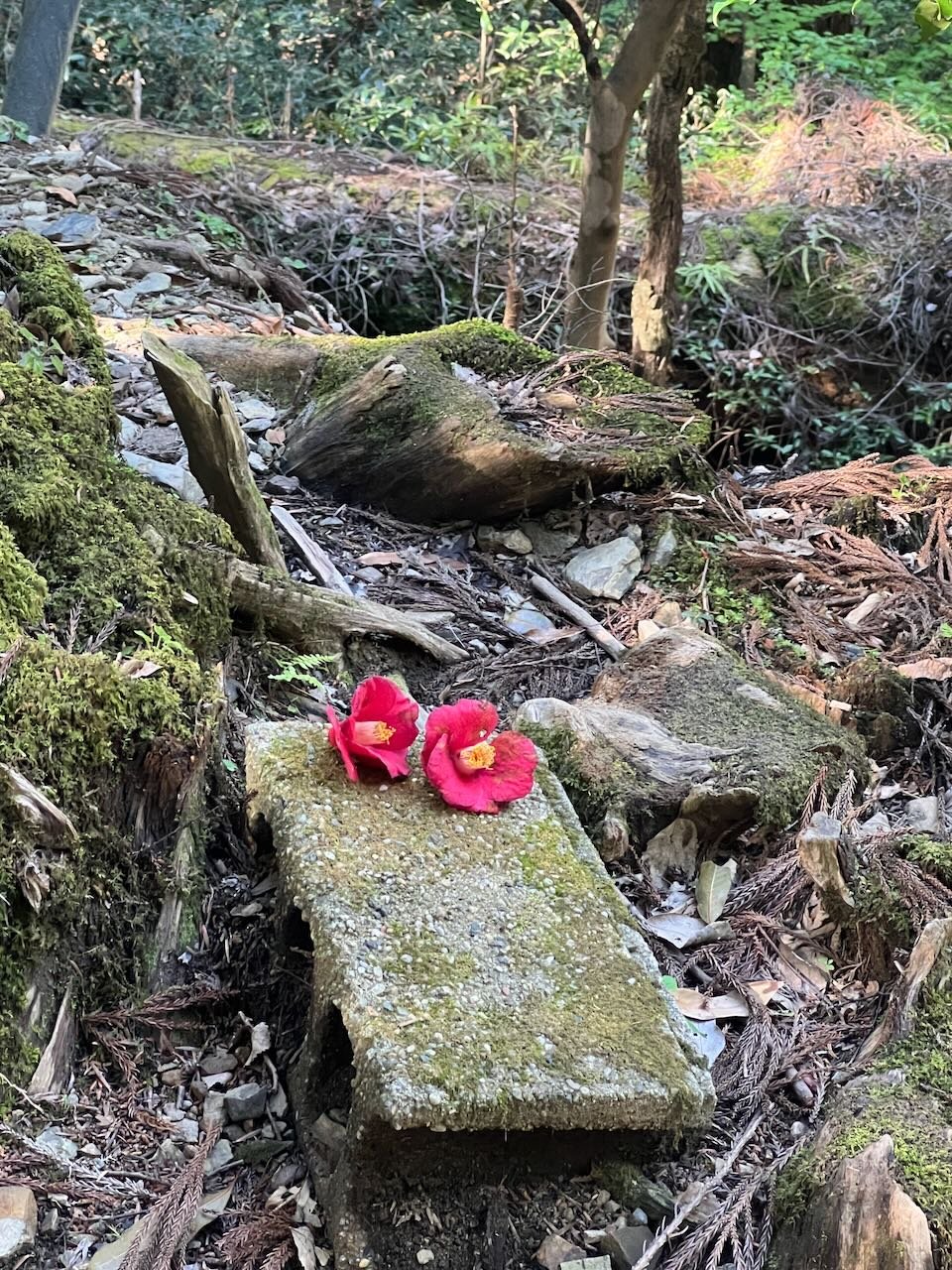
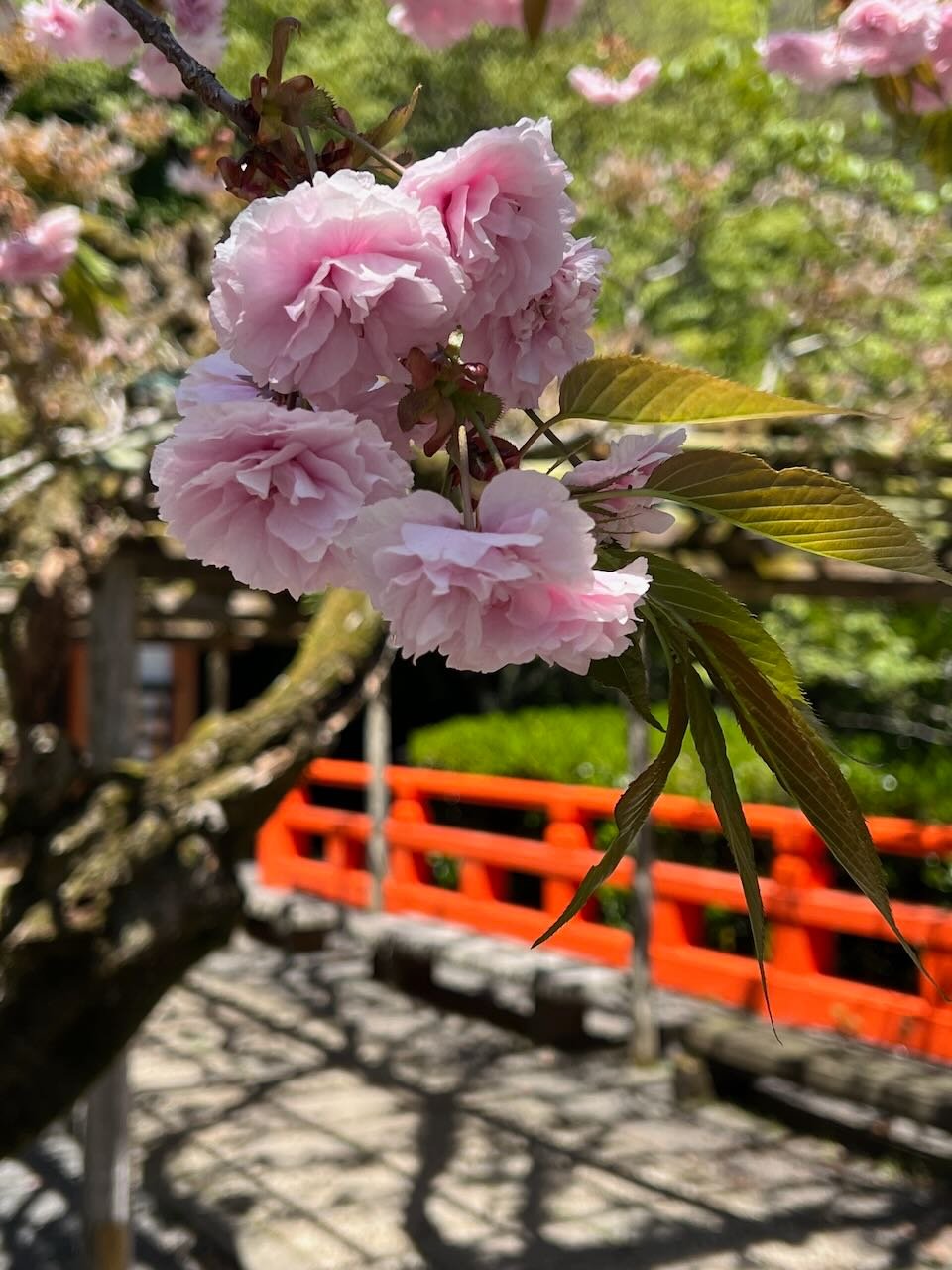
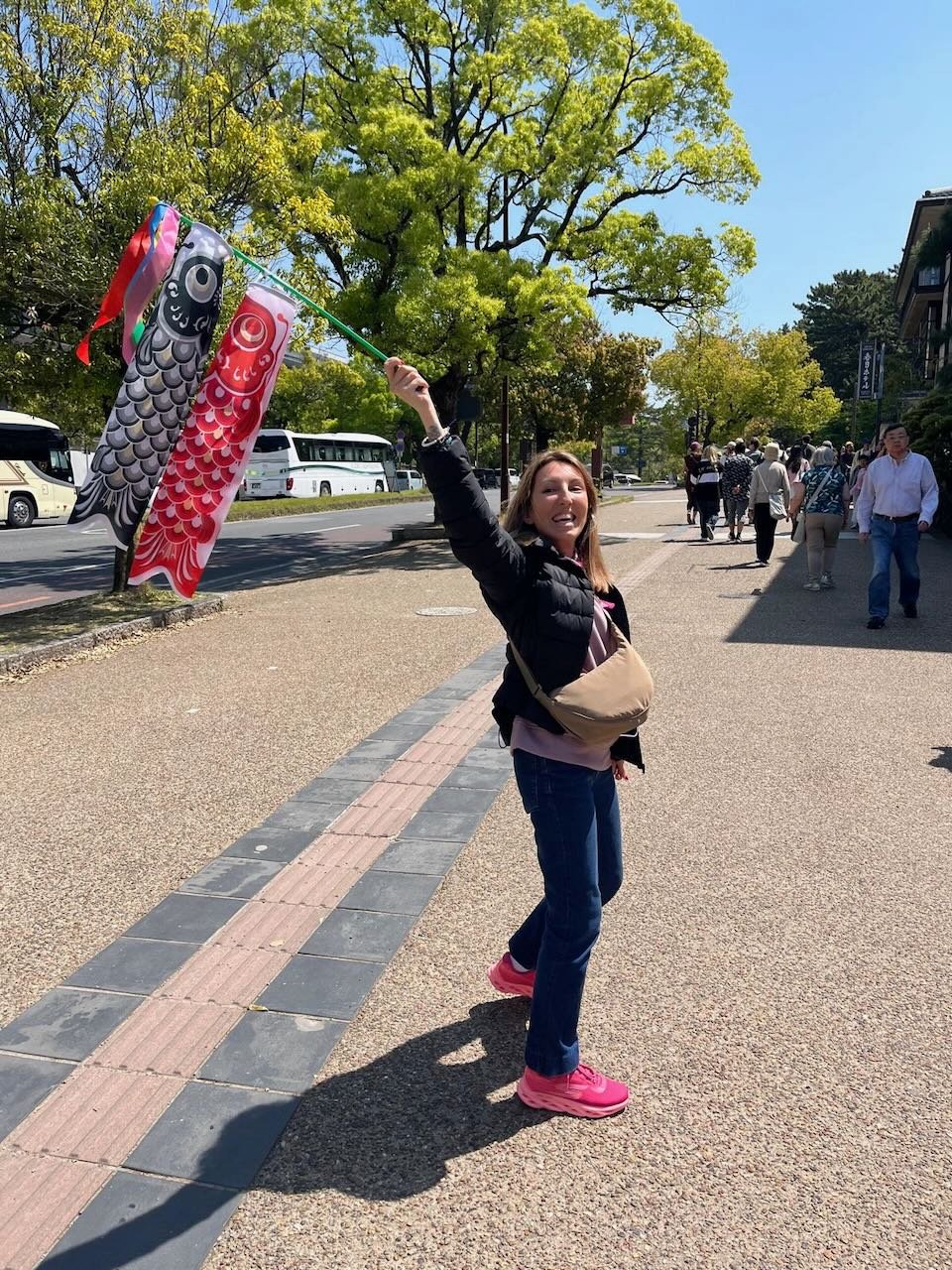
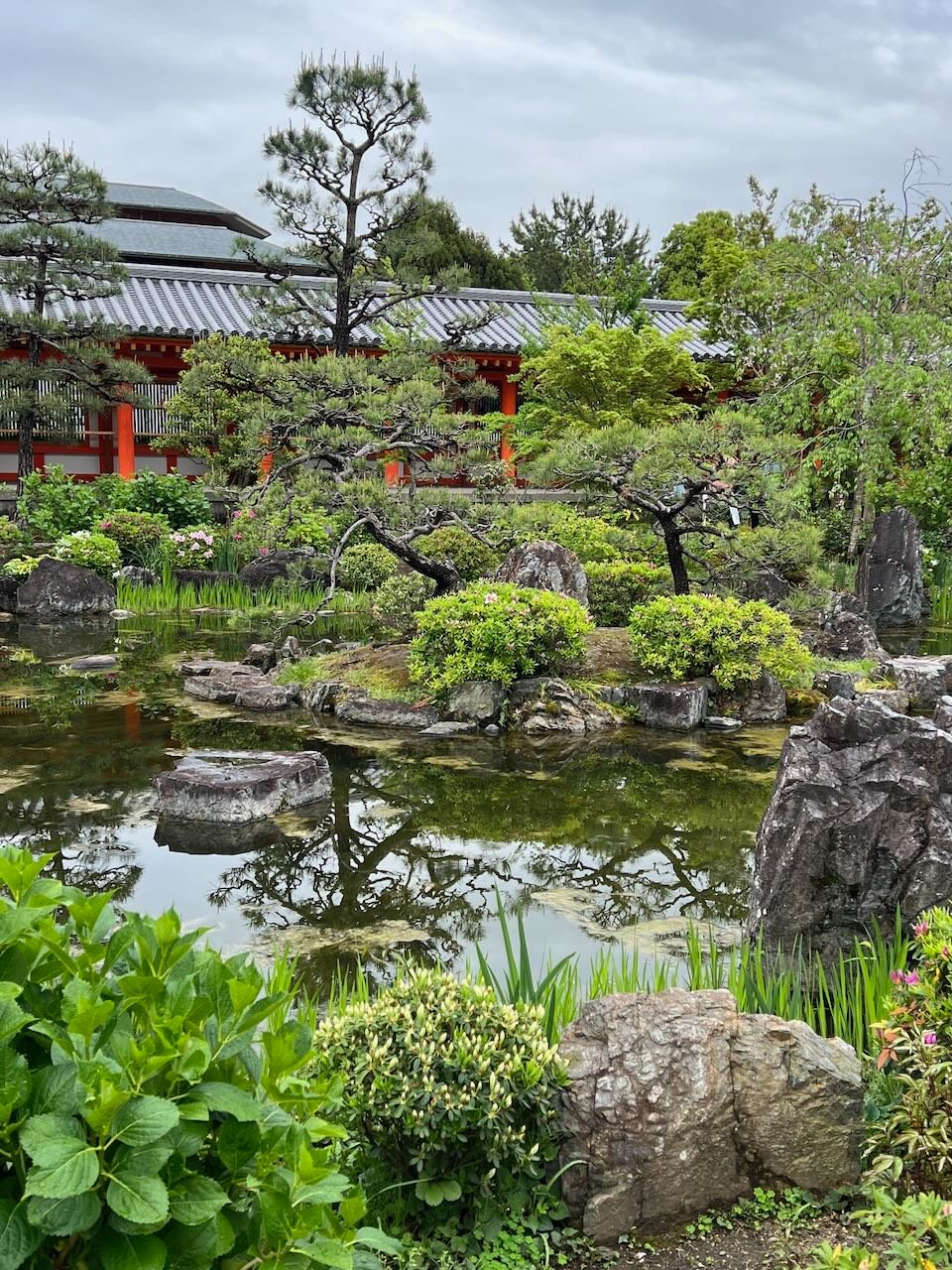
Would you like to take part in the next Reiki Tour?
Each edition is limited to a small group. This allows for maintaining quality, attention, and depth in the experience.
 Italian
 English